DCD-approved fire AMC services in Dubai

DCD-approved fire AMC services in Dubai are essential for keeping fire alarm, fire fighting, suppression, emergency lighting, and life safety systems ready for inspection and daily protection. For building owners, facility managers, warehouse operators, restaurants, hotels, offices, and commercial properties, a fire Annual Maintenance Contract is not just a routine service agreement. It is part of keeping the property safer, reducing system faults, supporting compliance documentation, and preparing for Dubai Civil Defence requirements. Dubai Civil Defence publishes the UAE Fire and Life Safety Code of Practice as a key fire safety reference, while the UAE Government highlights fire safety and building safety as part of national safety requirements.

A well-managed fire AMC should do more than provide a certificate. It should identify faults early, test critical equipment, maintain records, support approval and renewal processes, and keep every connected system ready when it matters most.

Why Are DCD-Approved Fire AMC Services Important in Dubai?

Fire systems are often ignored until a warning appears on the fire alarm panel, a pump room leak is noticed, or a Civil Defence renewal deadline comes close. By that time, the property may already have hidden faults: weak detector response, damaged hose reels, low pump pressure, expired extinguisher service, failed emergency lights, or missing inspection records.

A professional fire AMC prevents this situation. It creates a scheduled maintenance plan for fire alarm, fire fighting, fire suppression, and emergency evacuation systems. Instead of waiting for a breakdown, the system is inspected, tested, serviced, and documented throughout the year.

For commercial, residential, industrial, hospitality, retail, and warehouse properties in Dubai, this gives owners and facility managers a practical advantage: fewer surprises, better compliance readiness, and safer building operation.

What Is Fire AMC in Dubai?

fire amc dubai

A Fire AMC, or Fire Annual Maintenance Contract, is a yearly service agreement between a property owner or facility manager and a fire safety maintenance company. The purpose is to keep installed fire protection systems in working condition through planned inspection, preventive maintenance, corrective support, testing, and documentation.

A proper fire AMC usually covers systems such as:

  • Fire alarm control panels
  • Smoke detectors and heat detectors
  • Manual call points
  • Sounders, bells, and strobe lights
  • Fire pumps and jockey pumps
  • Sprinkler systems
  • Fire hose reels
  • Fire hydrants
  • Landing valves
  • Fire extinguishers
  • Emergency lights and exit lights
  • FM200 systems
  • Deluge systems
  • Kitchen hood suppression systems
  • Voice evacuation systems

The important point is that AMC is not only “checking equipment.” A reliable contractor should also maintain service reports, identify defects, recommend rectification, support authority-related documentation, and guide the client before renewal deadlines.

For example, if a warehouse fire alarm panel shows repeated zone faults, the AMC team should not simply reset the panel and leave. They should trace the fault, inspect the connected devices, check wiring or detector issues, document the finding, and explain what needs repair.

That is the difference between basic maintenance and professional fire safety management.

Why Is DCD-Approved Fire AMC Required?

Dubai properties must take fire safety seriously because fire protection is directly connected to life safety, business continuity, insurance readiness, and regulatory compliance. Dubai Civil Defence is the relevant authority associated with fire safety systems, preventive safety, approval processes, and fire safety code guidance in Dubai.

A DCD-approved fire AMC helps property owners and building managers keep fire systems inspection-ready. It also supports the documentation usually needed for renewals, certificates, safety reviews, and maintenance records.

DCD-Approved Fire AMC Required

In practical terms, a fire AMC helps answer four important questions:

  1. Are the fire alarm and fire-fighting systems working?
  2. Are maintenance visits happening on schedule?
  3. Are faults recorded and rectified properly?
  4. Is the building prepared for Civil Defence-related inspection or renewal?


Without proper maintenance, small faults can become major compliance and safety issues. A disconnected detector, faulty fire pump, damaged hose reel, or failed emergency light may not seem urgent during normal operations. During a real emergency, however, that failure can delay detection, evacuation, or fire control.

That is why choosing a qualified and approved fire maintenance contractor matters.

Fire Systems Are Covered Under Our AMC

What Fire Systems Are Covered Under Our AMC?

A strong AMC package should cover both detection systems and active fire protection systems. Many competitors mention “fire alarm and fire fighting maintenance,” but users often need a clearer explanation of what each system includes.

Below is a breakdown of the main systems usually covered.

Fire Alarm System Maintenance

The fire alarm system is the first warning layer of a building. Its job is to detect fire or smoke early and alert occupants before the situation spreads.

Fire alarm AMC usually includes inspection and testing of:

  • Fire alarm control panel
  • Smoke detectors
  • Heat detectors
  • Manual call points
  • Fire alarm bells
  • Sounders and strobes
  • Battery backup
  • Zone indicators
  • Fault signals
  • Cable and device condition
  • Interface with other safety systems


A technician should check whether the panel shows faults, whether signals reach the panel correctly, and whether alarm devices activate properly. Battery condition is also important because the fire alarm system must continue operating during power interruption.

Common issues found during fire alarm maintenance include dirty detectors, loose wiring, weak batteries, faulty sounders, damaged manual call points, and repeated panel faults.

Fire Fighting System Maintenance

Fire-fighting systems help control or suppress fire after detection. These systems must be physically inspected because mechanical faults, pressure issues, valve problems, leakage, and corrosion can affect performance.

Fire fighting AMC may include:

  • Fire pump inspection
  • Jockey pump inspection
  • Hose reel checking
  • Fire hydrant inspection
  • Sprinkler visual inspection
  • Landing valve inspection
  • Pump room condition check
  • Pressure gauge review
  • Valve position checking
  • Leakage inspection
  • Pipe and cabinet condition review


A fire fighting system can look fine from outside but still have operational problems. For example, a pump room may have valve leakage, low pressure, controller issues, or poor housekeeping. Hose reels may have damaged nozzles, cracked hoses, or blocked access.

Professional AMC should identify these before they become critical.

Fire Sprinkler System Maintenance

Sprinkler systems are designed to control fire spread by discharging water when heat activates sprinkler heads. During AMC, the contractor should inspect visible sprinkler components and related control points.

Typical sprinkler maintenance checks include:

  • Sprinkler head condition
  • Pipe condition
  • Control valve position
  • Pressure gauges
  • Water flow readiness
  • Leakage signs
  • Obstruction around sprinkler heads
  • Corrosion or damage
  • Zone valve condition


A common issue in warehouses and commercial properties is blocked sprinkler coverage. Storage racks, false ceilings, or new interior work may interfere with sprinkler performance. A good AMC inspection should point this out clearly in the report.

Fire Pump and Valve Inspection

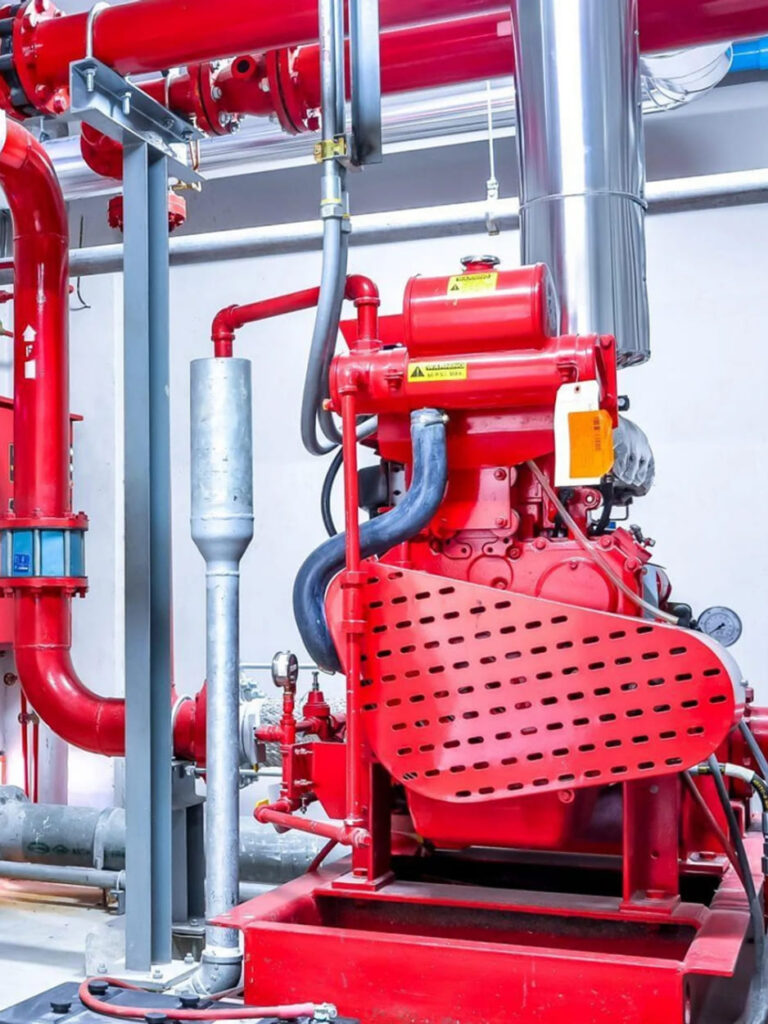
The fire pump is one of the most critical parts of a fire fighting system. If the pump fails, the building may not have the required water pressure during a fire event.

Fire pump maintenance usually includes checking:

  • Main fire pump
  • Jockey pump
  • Diesel pump, if installed
  • Pump controller
  • Pressure gauges
  • Suction and discharge valves
  • Leakage
  • Abnormal vibration
  • Pump room cleanliness
  • Battery condition, where applicable
  • Automatic/manual starting condition


Valve inspection is equally important. A closed or faulty valve can stop water flow even if the pump is working. That is why technicians should check valve position, leakage, labeling, accessibility, and physical condition.

FM200 and Fire Suppression System Maintenance

FM200 systems are commonly used in server rooms, control rooms, electrical rooms, and sensitive equipment areas where water suppression may damage assets.

FM200 maintenance may include:

  • Cylinder pressure inspection
  • Control panel status check
  • Nozzle condition
  • Pipework inspection
  • Manual release station check
  • Abort switch check
  • Warning signage
  • Room integrity-related observations
  • Battery backup condition
  • Fault and trouble signal review


The AMC should clearly mention whether refilling, hydrotesting, or cylinder replacement is included or quoted separately. Many clients assume FM200 refilling is part of AMC, but in many contracts it is treated as a separate corrective service.

Emergency and Exit Light Maintenance

Emergency lights and exit lights support safe evacuation during power failure or low-visibility situations. They are simple devices, but they are frequently neglected.

AMC checks should include:

  • Exit sign visibility
  • Emergency light operation
  • Battery backup condition
  • Charging indicator
  • Physical damage
  • Location and coverage
  • Mounting condition
  • Failed lamps or LEDs


A building may have a working fire alarm but still fail evacuation readiness if emergency lights or exit signs are not functioning.

Fire Extinguisher Inspection and Refilling Support

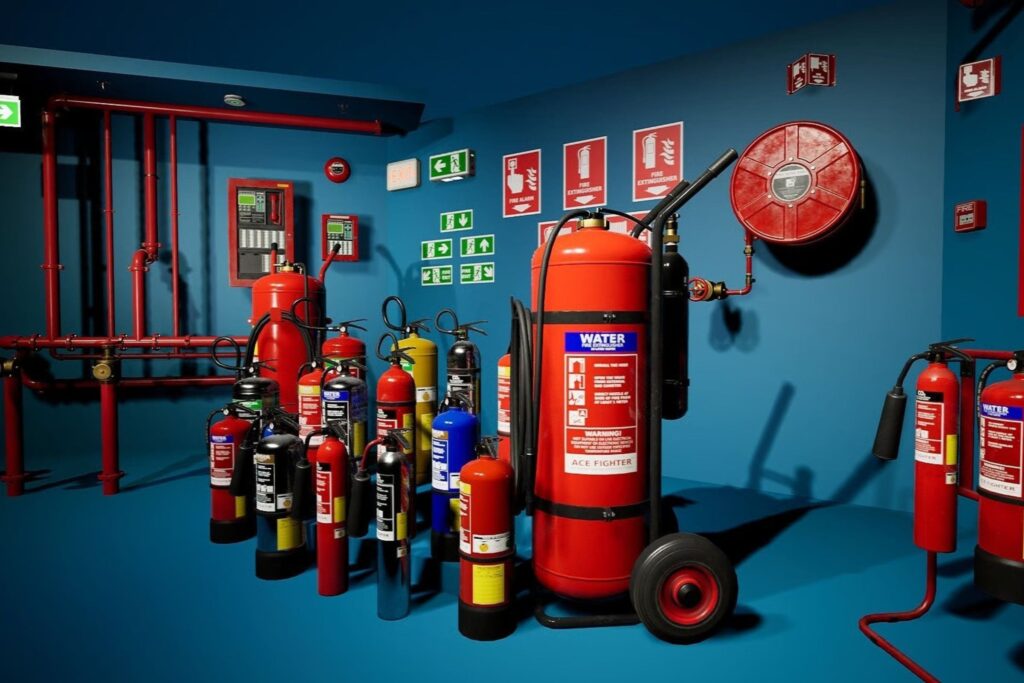
Fire extinguishers are the first-response equipment used for small fires. AMC should include extinguisher inspection, but refilling or replacement may depend on the contract scope.

Inspection usually covers:

  • Pressure gauge reading
  • Safety pin and seal
  • Hose and nozzle condition
  • Cylinder damage
  • Expiry/service tag
  • Accessibility
  • Correct extinguisher type
  • Wall bracket or cabinet condition


For example, a restaurant kitchen, electrical room, office corridor, and warehouse storage area may require different extinguisher types. A strong maintenance provider should highlight mismatched or expired units in the report.

What Is Included in Our Fire AMC Package?

A professional fire AMC package should be clear from the beginning. Clients should know what is included, what is inspected, what is reported, and what may be charged separately.


Service Area

What We Check

Why It Matters

Fire alarm panel

Faults, battery, zone status, signal condition

Ensures the building can detect and alert early

Smoke and heat detectors

Device condition, response, contamination, damage

Prevents missed or delayed detection

Manual call points

Accessibility, activation, physical condition

Supports manual emergency alert

Sounders and bells

Alarm output and audibility

Helps occupants respond quickly

Fire pumps

Pressure, controller, leakage, and pump room condition

Maintains water supply readiness

Sprinklers

Visible damage, obstruction, valve condition

Supports automatic fire control

Hose reels and hydrants

Hose, nozzle, cabinet, leakage, accessibility

Supports manual fire fighting response

Emergency lights

Backup operation and battery health

Helps evacuation during power failure

Exit lights

Visibility and illumination

Guides occupants to exits

FM200 systems

Cylinder pressure, panel status, release devices

Protects server/electrical rooms

Documentation

Inspection report, defect list, maintenance record

Protects server/electrical rooms

The best AMC agreements also define response time, emergency callout terms, visit frequency, reporting format, and whether spare parts are included or billed separately.

What Should Be in Quarterly Fire Safety Inspection Checklist?

Many fire AMCs include scheduled visits, often quarterly, depending on the building type, system condition, and contract scope. The goal is to prevent system failure through repeated inspection instead of one-time checking.

A practical quarterly checklist may include:

Fire alarm system

  • Check fire alarm panel status
  • Inspect battery backup
  • Test selected smoke and heat detectors
  • Check manual call points
  • Test alarm bells and sounders
  • Record panel faults
  • Verify device labeling and accessibility

Fire-fighting system

  • Inspect pump room
  • Check pressure gauges
  • Inspect valve position
  • Look for leakage
  • Check hose reels and cabinets
  • Inspect hydrants and landing valves
  • Review sprinkler condition

Emergency evacuation system

  • Test emergency lights
  • Check exit light visibility
  • Inspect voice evacuation system, where installed
  • Confirm escape route signage is visible

Fire suppression system

  • Check FM200 panel status
  • Inspect cylinder pressure
  • Check manual release and abort switch
  • Inspect nozzles and signage
  • Record any abnormal condition

Documentation

  • Prepare service report
  • List faults and recommendations
  • Update maintenance records
  • Share corrective action quotation, if needed

This type of checklist improves transparency. It also helps property managers understand what they are paying for.

How Does the DCD AMC Certificate Process Work in Dubai?

The DCD AMC certificate process can vary depending on building type, system condition, previous records, and approval requirements. However, most service journeys follow a similar path.

  • Site Survey: The contractor visits the building to understand the installed fire safety systems. This includes checking fire alarm, firefighting, suppression, emergency lighting, and other connected systems.

  • Existing System Inspection: Technicians inspect the current condition of the equipment. They check whether the systems are operational, accessible, damaged, outdated, or showing faults.

  • Fault Identification: Any issue found during inspection should be listed clearly. This may include fire alarm faults, pump issues, detector problems, leakage, damaged hose reels, failed emergency lights, or missing documentation.

  • Preventive Maintenance: The AMC team performs routine maintenance based on the agreed scope. This may include cleaning, testing, minor adjustments, panel checks, battery checks, and system inspection.

  • Corrective Maintenance Recommendation: If parts are faulty or refilling is required, the contractor should explain whether the work is included in AMC or needs a separate quotation.

  • Report Preparation: A proper service report should include inspected systems, findings, completed tasks, pending faults, recommendations, and next steps.

  • AMC Certificate Support: The contractor supports the client with AMC certificate-related documentation and approval readiness based on applicable authority requirements.

  • Renewal Reminder: A good service provider should remind clients before expiry so they do not rush at the last minute.

DCD AMC Certificate Process

This process gives the client more confidence than a simple “certificate only” approach.

What Is the Difference Between Fire Alarm AMC and Fire Fighting AMC?

Many clients use “fire AMC” as one general term, but fire alarm AMC and fire fighting AMC are not the same. They cover different systems and different safety functions.

Fire Alarm AMC

Fire Fighting AMC

Covers detection and warning systems

Covers fire control and suppression systems

Includes alarm panel, detectors, call points, bells, sounders

Includes pumps, sprinklers, hose reels, hydrants, and valves

Focuses on early fire detection

Focuses on controlling or suppressing fire

Common faults include panel errors, detector faults, and battery failure

Common faults include leakage, pressure loss, and pump faults

Supports evacuation warning

Supports fire response and suppression

A complete fire AMC should normally consider both sides. A building with a working alarm but a weak pump system is not fully protected. Similarly, a strong firefighting system is less useful if fire detection fails.

How Much Does Fire AMC Cost in Dubai?

Fire AMC cost in Dubai depends on the building and installed systems. A small office with a basic fire alarm system will not have the same maintenance cost as a warehouse with sprinklers, pumps, hose reels, extinguishers, emergency lights, and suppression systems.

Common cost factors include:

  • Building size
  • Number of floors
  • Number of fire alarm devices
  • Type of fire fighting system
  • Fire pump and sprinkler availability
  • FM200 or special suppression systems
  • Number of extinguishers
  • Inspection frequency
  • Emergency callout requirement
  • Existing system condition
  • Documentation and approval support
  • Spare parts and refilling scope


A low-cost AMC may look attractive at first, but it may exclude important items such as emergency support, corrective maintenance, spare parts, extinguisher refilling, FM200 refilling, or detailed reporting.

The better approach is to request a site survey first. After inspection, the contractor can provide a realistic quote based on actual system condition instead of guessing.

Which Properties Do We Serve in Dubai?

Fire AMC requirements differ by property type. A restaurant kitchen has different risks compared to an office. A warehouse has different fire load and system complexity compared to a residential building.

Professional fire AMC services are suitable for:

  • Residential buildings
  • Commercial towers
  • Offices
  • Warehouses
  • Restaurants
  • Cafeterias
  • Hotels
  • Hotel apartments
  • Shopping malls
  • Schools and academic institutions
  • Industrial facilities
  • Staff accommodation buildings
  • Retail shops
  • Clinics and medical facilities
  • Showrooms


Service coverage can also include major Dubai areas such as Al Quoz, Jebel Ali, Business Bay, Deira, Bur Dubai, Dubai Marina, Dubai Investment Park, Al Barsha, Dubai Silicon Oasis, Downtown Dubai, Ras Al Khor, and International City.

Local coverage matters because emergency response time, regular visit planning, and familiarity with area-specific property types can improve service quality.

Why Choose a DCD-Approved Fire Maintenance Company?

A fire AMC company should not be selected only because it offers the lowest quote. Fire safety maintenance affects life safety, property protection, business continuity, and compliance readiness.

A reliable fire maintenance contractor should provide:

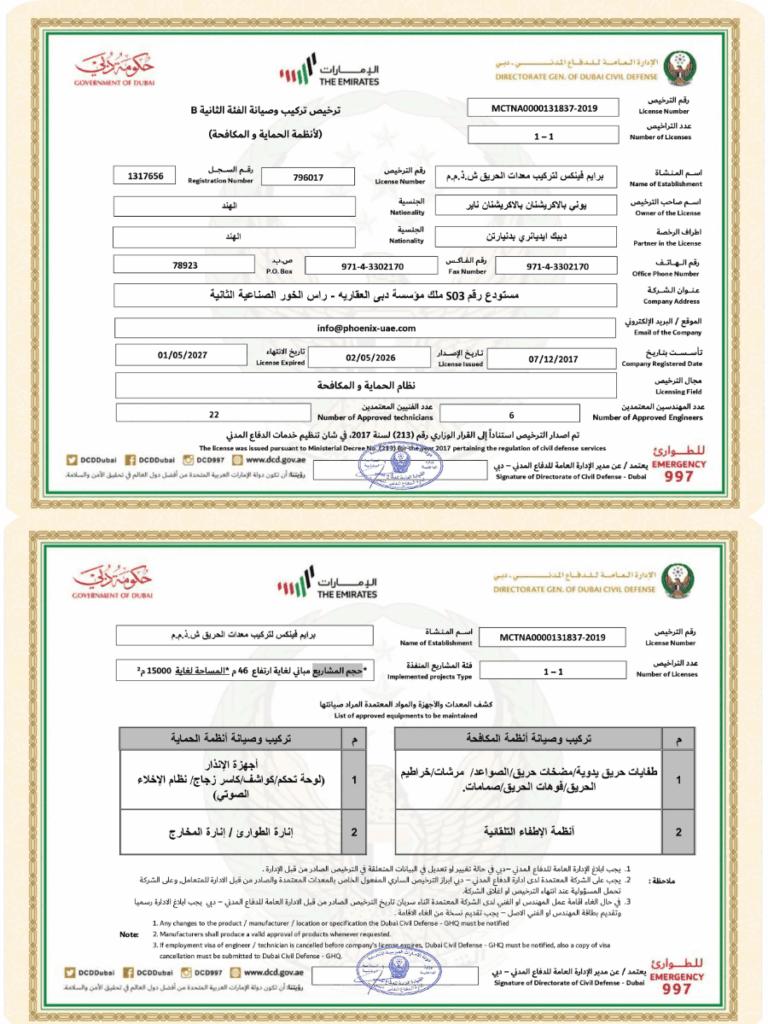
  • DCD-approved service capability
  • Trained fire alarm and fire fighting technicians
  • Clear AMC scope
  • Scheduled inspection visits
  • Emergency support options
  • Detailed maintenance reports
  • Defect identification
  • Corrective maintenance guidance
  • Fire system documentation support
  • Transparent pricing
  • Experience with similar property types


Before choosing a contractor, ask these questions:


  • Are you approved to provide fire AMC services?
  • What systems are included in the contract?
  • How many visits are included per year?
  • Is emergency callout included?
  • Are spare parts included or separate?
  • Do you provide inspection reports after every visit?
  • Do you support DCD AMC certificate documentation?
  • Do you inspect both fire alarm and fire fighting systems?
  • Do you handle fire extinguisher and FM200 refilling?


The right contractor should answer these clearly before the agreement is signed.

What Are the Common Fire System Faults Found During AMC?

This is where a good AMC adds real value. Many fire system problems are not obvious to building owners until a technician inspects them.

Common faults include:

  • Fire alarm panel trouble signal
  • Weak fire alarm battery
  • Dirty smoke detectors
  • Faulty heat detectors
  • Damaged manual call points
  • Non-working sounders or bells
  • Fire pump leakage
  • Low water pressure
  • Closed or damaged valves
  • Hose reel nozzle damage
  • Sprinkler obstruction
  • Emergency light battery failure
  • Exit sign not illuminated
  • FM200 low pressure
  • Missing service tags on extinguishers
  • Poor access to fire equipment


A professional report should not simply say “system checked.” It should identify these issues clearly and recommend corrective action.

What Documents Are Required for Fire AMC and DCD Readiness?

The exact documentation may vary depending on the property and approval process, but a contractor may ask for:

  • Building name and location
  • Property type
  • Existing fire system details
  • Previous AMC certificate, if available
  • Previous inspection report
  • Fire alarm panel details
  • Fire-fighting system details
  • Equipment list
  • Civil Defence-related records, if available
  • Facility manager or owner contact details


Keeping these documents ready helps speed up the survey, quotation, maintenance, and certificate support process.

Is Fire AMC mandatory for buildings in Dubai?

Fire safety maintenance is an important part of keeping buildings compliant and inspection-ready in Dubai. Property owners and facility managers should work with an approved fire maintenance contractor and follow applicable Dubai Civil Defence requirements.

Who can issue a DCD-approved AMC certificate?

AMC certificate support should be handled by a qualified and approved fire safety maintenance company. Always verify the contractor’s approval status before signing an agreement.

What systems are included in a fire AMC?

A fire AMC may include fire alarm panels, smoke detectors, heat detectors, manual call points, bells, sounders, fire pumps, hose reels, hydrants, sprinklers, extinguishers, emergency lights, exit lights, FM200 systems, and other fire suppression systems.

How often are fire systems inspected under AMC?

Many AMC packages include scheduled visits such as quarterly inspections, but the exact frequency depends on the property, system type, risk level, and contract scope.

Does AMC include fire alarm maintenance?

Yes, fire alarm maintenance is usually one of the main parts of a fire AMC. It may include panel checking, detector testing, battery inspection, manual call point testing, sounder testing, and fault reporting.

Does AMC include firefighting system maintenance?

A complete AMC should include fire fighting system checks such as fire pumps, valves, hose reels, hydrants, sprinklers, and leakage inspection. The exact scope should be clearly mentioned in the contract.

Does AMC include fire extinguisher refilling?

Not always. Some AMC packages include extinguisher inspection only, while refilling or replacement is charged separately. Confirm this before signing the contract.

Does AMC include FM200 refilling?

FM200 inspection may be included, but refilling is often quoted separately because it depends on cylinder condition, gas quantity, leakage, discharge, or pressure loss.

How much does Fire AMC cost in Dubai?

The cost depends on building size, number of devices, system complexity, inspection frequency, emergency support, and whether refilling or spare parts are included. A site survey is the best way to get an accurate quote.

What happens if faults are found during inspection?

The technician should record the faults in a service report and recommend corrective action. If repairs, replacement parts, or refilling are needed, the contractor should provide a separate quotation unless those items are included in the AMC.

Can warehouses get DCD-approved Fire AMC services?

Yes. Warehouses commonly require fire AMC services because they may have fire alarm systems, sprinklers, pumps, hose reels, extinguishers, emergency lights, and high fire-load storage areas.

How long does it take to get AMC certificate support?

The timeline depends on the building condition, existing faults, required maintenance, documentation, and approval process. If the systems are in good condition, the process is usually faster.

What documents are needed for Fire AMC?

Commonly needed details include building information, location, system details, previous AMC records, inspection reports, equipment lists, and contact information for the owner or facility manager.

How do I choose the best fire AMC company in Dubai?

Choose a company that is approved, experienced, transparent about scope, provides written reports, covers both fire alarm and fire fighting systems, offers emergency support, and explains what is included or excluded in the AMC.

A fire AMC should never be treated as a basic yearly formality. The right maintenance contract protects your building, supports compliance readiness, reduces unexpected faults, and keeps fire alarm, fire fighting, suppression, emergency lighting, and evacuation systems working as intended.

By choosing DCD approved fire AMC services in Dubai, property owners and facility managers can maintain safer buildings, prepare better documentation, and avoid last-minute maintenance problems before inspection or renewal.

For the strongest result, book a professional site survey, review the installed systems, confirm the AMC scope, and choose a contractor that provides clear reports, scheduled inspections, emergency support, and practical fire safety guidance.

Call Now