
- Ras Al Khor Industrial Area 2
- +971 4 330 2170
- +971 547919584
Fire safety is one of the most critical aspects of protecting lives, property, and business continuity in commercial, industrial, and residential buildings. While fire alarm systems detect emergencies and fire extinguishers help control small fires, they cannot always provide the high-volume water supply required during a major fire incident. This is where a professionally designed and installed fire pump system becomes essential.
A fire pump increases water pressure and flow to ensure that fire sprinkler systems, fire hydrant systems, standpipe systems, and other fire suppression equipment receive sufficient water during emergencies. Whether a building relies on a municipal water supply, an underground water tank, or a dedicated fire water storage tank, the fire pump acts as the heart of the entire fire protection system.
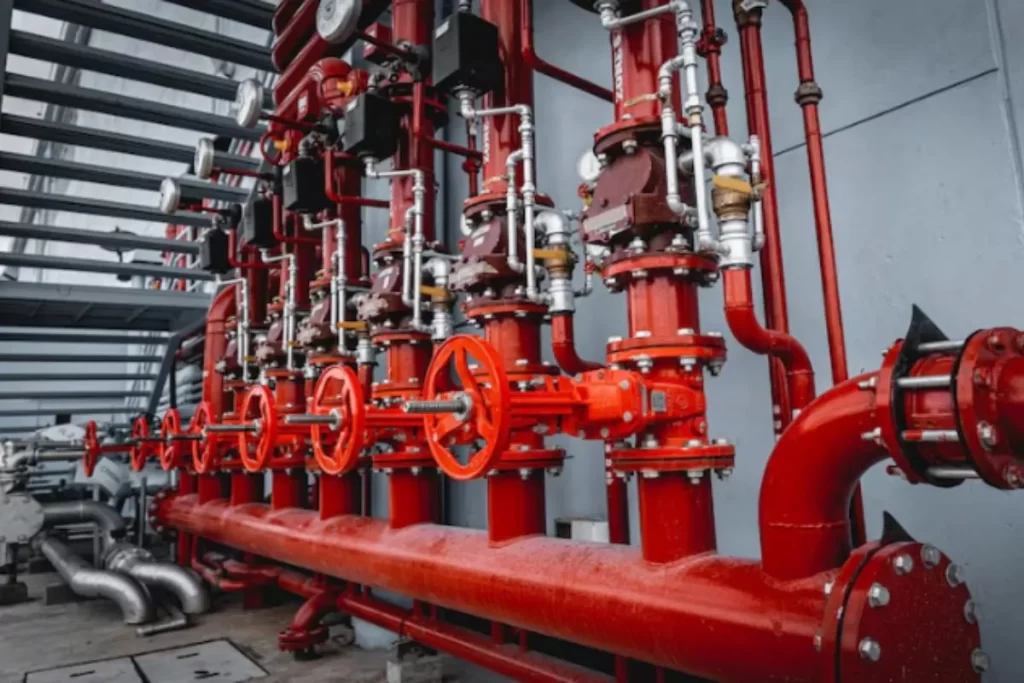
However, installing a fire pump is far more complex than simply connecting equipment to a water source. Proper fire pump installation requires hydraulic calculations, equipment selection, foundation preparation, piping design, electrical integration, controller programming, testing, commissioning, and compliance with applicable fire safety standards such as NFPA 20 and NFPA 25, as well as local authority requirements.
In this comprehensive guide, you’ll learn how fire pumps work, the different types available, installation requirements, applicable standards, testing procedures, maintenance practices, and the key factors to consider when designing a reliable fire pump system.
What Is a Fire Pump and Why Is It Important?
A fire pump is a specialized mechanical device designed to increase water pressure whenever the existing water supply cannot deliver the required flow or pressure needed for firefighting operations. It serves as a critical component of active fire protection systems by ensuring a continuous and dependable water supply during emergencies.
Fire pumps are commonly installed in:
- Commercial buildings
- High-rise towers
- Industrial facilities
- Manufacturing plants
- Warehouses
- Hotels
- Hospitals
- Shopping malls
- Educational institutions
- Residential developments
Without a properly sized and installed fire pump, sprinkler systems and fire hydrants may fail to deliver adequate water pressure, reducing their ability to control or extinguish a fire before it spreads.
A professionally installed fire pump system helps:
- Increase water pressure throughout the fire protection network
- Supply adequate water to sprinkler and hydrant systems
- Improve emergency response capabilities
- Reduce fire damage and business interruption
- Protect occupants and valuable assets
- Meet local fire safety regulations and insurance requirements

How Does a Fire Pump Work?
A fire pump operates automatically whenever the pressure within the fire protection system drops below a predetermined level. This pressure drop usually occurs when a sprinkler head activates or a fire hydrant valve is opened during a fire emergency.
The operating sequence generally includes the following steps:
- Water demand causes system pressure to decrease.
- The pressure sensing device detects the drop.
- The fire pump controller automatically starts the pump.
- The electric motor or diesel engine drives the pump.
- Water is drawn from the municipal supply or dedicated fire water tank.
- The pump increases pressure and flow throughout the distribution network.
- Sprinklers, hydrants, hose reels, and standpipe systems receive the required water supply.
Unlike domestic water pumps, fire pumps are specifically engineered to deliver high flow rates while maintaining consistent pressure under emergency conditions.
What Are the Main Components of a Fire Pump System?
A complete fire pump installation consists of several interconnected components that work together to provide reliable fire protection.
Fire Pump
The main pump generates the pressure required to deliver firefighting water throughout the system.
Fire Pump Driver
The driver powers the pump and may consist of:
- Electric motor
- Diesel engine
The choice depends on power availability, local regulations, and project requirements.
Fire Pump Controller
The controller monitors system pressure and automatically starts the fire pump during emergencies. Advanced controllers also provide alarms, monitoring functions, and diagnostic information.
Jockey Pump
A jockey pump maintains normal system pressure by compensating for small leaks or pressure fluctuations. This prevents unnecessary operation of the main fire pump.
Pressure Relief Valve
Pressure relief valves protect piping and equipment from excessive pressure caused by system surges or operating conditions.
Test Header
A test header allows engineers to conduct flow tests and performance verification without discharging water into the building’s fire protection system.
Suction and Discharge Piping
Properly designed suction and discharge piping minimizes friction losses and ensures smooth water flow into and out of the pump.
Water Supply
Fire pumps may obtain water from:
- Underground water storage tanks
- Above-ground storage tanks
- Municipal water mains
- Reservoirs
- Dedicated fire water tanks
Reliable water availability is one of the most important design considerations.
Which Types of Fire Pumps Are Used for Fire Protection Systems?
Selecting the correct fire pump depends on building height, water source, flow requirements, available space, and applicable fire codes.
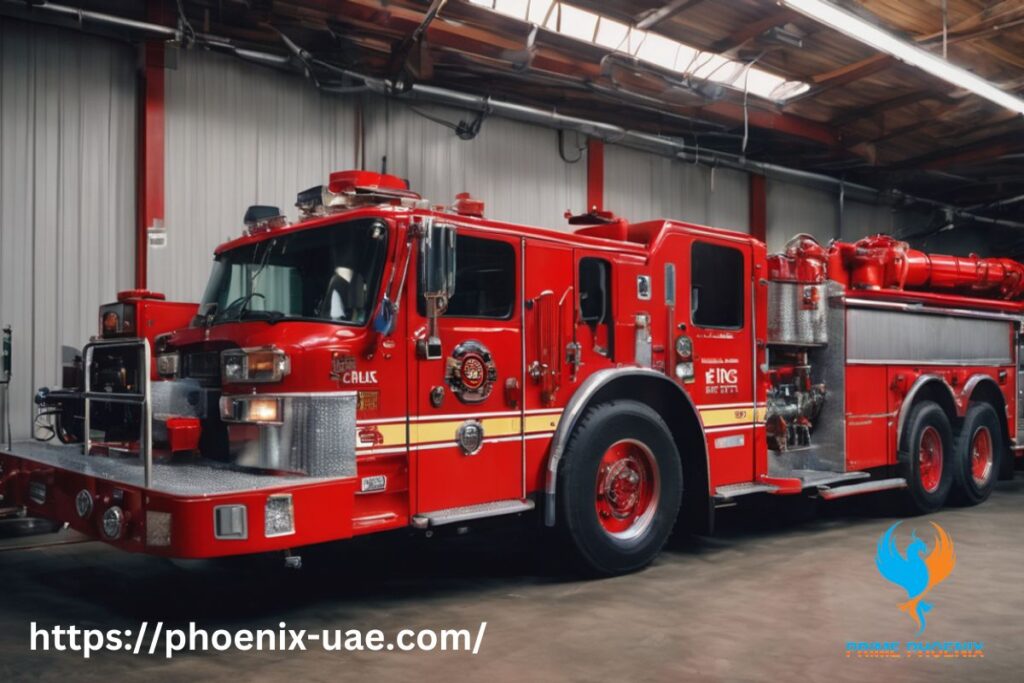
What Is an Electric Fire Pump?
Electric fire pumps are powered by electric motors and are widely used in commercial and residential buildings with dependable electrical infrastructure.
Advantages
- Lower maintenance requirements
- Quieter operation
- Higher energy efficiency
- Lower operating costs
- Clean operation without fuel emissions
Considerations
- Requires a reliable electrical supply
- Often supported by emergency generators or backup power systems
- Electrical installation must comply with fire safety standards
Electric fire pumps are ideal where uninterrupted electrical power is available.
What Is a Diesel Fire Pump?
Diesel-driven fire pumps operate independently of the building’s electrical supply, making them ideal for facilities requiring additional reliability.
Advantages
- Operates during power failures
- Suitable for remote facilities
- Excellent emergency reliability
- Independent power source
Considerations
- Requires fuel storage tanks
- Regular engine testing
- Higher maintenance requirements
- Exhaust ventilation
- Cooling systems
- Battery charging systems
Many industrial facilities choose diesel fire pumps because they continue operating even during complete electrical outages.
What Is a Split Case Fire Pump?
Horizontal split case pumps are among the most commonly installed fire pumps because they provide:
- High efficiency
- Large water flow capacity
- Easy maintenance
- Long service life
They are frequently installed in commercial buildings, industrial facilities, airports, hospitals, and large warehouses.
When Should Vertical Turbine Fire Pumps Be Used?
Vertical turbine fire pumps are recommended when water is supplied from:
- Wells
- Lakes
- Rivers
- Underground reservoirs
They are designed to operate with low suction conditions while maintaining reliable water delivery.
When Is an End Suction Fire Pump the Right Choice?
End suction pumps are commonly used in smaller buildings where space is limited and moderate water demand is expected. They offer:
- Compact design
- Lower installation cost
- Simplified maintenance
- Reliable performance for smaller fire protection systems
What Factors Should Be Considered Before Installing a Fire Pump?
A successful fire pump installation begins long before equipment arrives on-site. Proper planning ensures the system performs as intended under emergency conditions.
Key design considerations include:
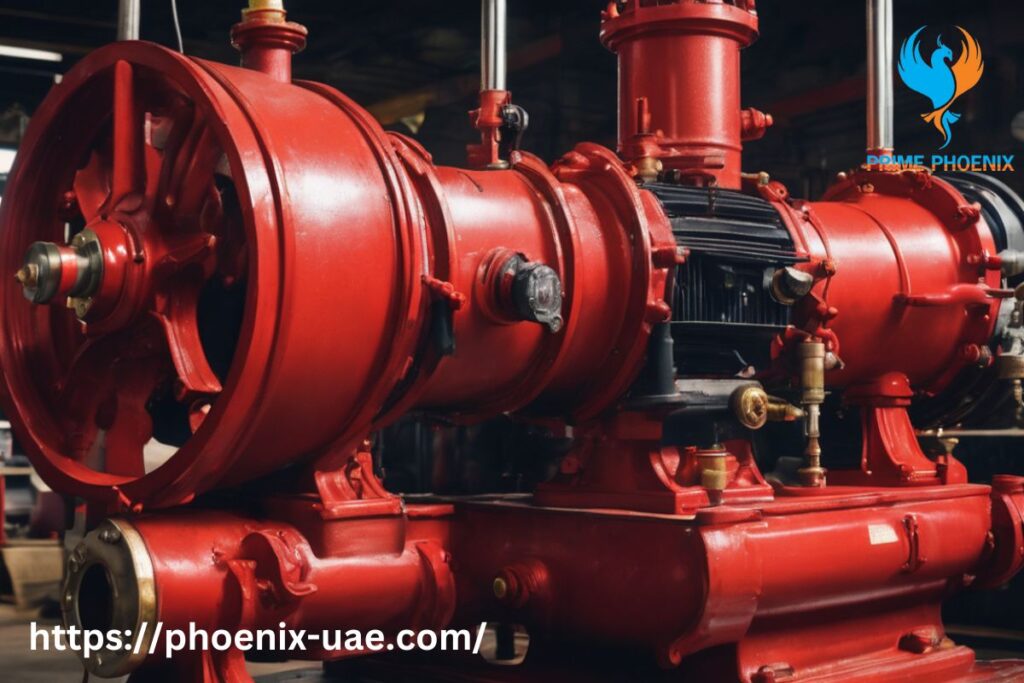
- Building occupancy classification
- Fire risk assessment
- Hydraulic demand calculations
- Required flow rate and pressure
- Available water supply
- Net Positive Suction Head (NPSH)
- Pump performance curve
- Pipe sizing
- Friction loss calculations
- Fire pump room layout
- Electrical power availability
- Diesel fuel storage requirements
- Emergency power provisions
- Local authority approval requirements
- Compliance with NFPA standards and building regulations
Working with qualified fire protection engineers during the design stage helps prevent costly modifications, installation delays, and compliance issues while ensuring the fire pump system provides dependable protection throughout its service life.
How Is a Fire Pump Installed Step by Step?
A properly installed fire pump system is essential for ensuring reliable operation during emergencies. Every stage of the installation process must comply with NFPA 20, manufacturer specifications, local fire codes, and the Authority Having Jurisdiction (AHJ). Even minor installation errors can reduce system performance or delay emergency response when every second counts.
The following step-by-step process represents industry best practices for installing a fire pump system.
Step 1: How Is the Installation Site Prepared?
Before installation begins, engineers evaluate the site to confirm that it can safely accommodate the fire pump and all associated equipment.
Site preparation typically includes:
- Reviewing approved fire protection drawings
- Confirming hydraulic design calculations
- Inspecting the water supply source
- Verifying pump room dimensions and access
- Preparing reinforced concrete foundations
- Installing floor drainage and ventilation
- Ensuring adequate lighting and maintenance clearance
Proper planning minimizes installation delays and helps avoid costly modifications later in the project.
Step 2: How Is the Fire Pump Foundation Installed?
The fire pump foundation provides structural stability and minimizes vibration during operation.
A well-designed foundation should:
- Support the full operating weight of the equipment
- Remain level and free from settlement
- Include vibration isolation pads where required
- Allow sufficient maintenance access around the pump
- Maintain the clearances specified by NFPA 20
Improper foundations can lead to shaft misalignment, excessive vibration, premature bearing wear, and mechanical failure.
Step 3: How Are the Fire Pump and Driver Aligned?
Accurate alignment between the pump and its driver is critical for long-term reliability.
During installation, technicians should:
- Position the pump and motor on the base plate
- Perform precision shaft alignment
- Check coupling tolerances
- Verify equipment levelness
- Secure anchor bolts
- Recheck alignment after final tightening
Correct alignment reduces vibration, improves efficiency, and extends equipment life.
Step 4: How Is Suction Piping Installed?
The suction side of the system has a direct impact on pump performance. Poor suction piping design can result in cavitation, reduced flow, excessive vibration, and premature pump damage.
Best practices include:
- Keeping suction piping as short and straight as possible
- Using appropriately sized piping
- Avoiding unnecessary elbows near the pump inlet
- Installing eccentric reducers with the flat side on top
- Providing adequate Net Positive Suction Head (NPSH)
- Preventing air pockets within the suction line
- Installing approved isolation valves where required
Proper suction piping ensures smooth water flow and reliable pump operation.
Step 5: How Is the Discharge Piping Connected?
The discharge piping distributes pressurized water throughout the building’s fire protection network.
Typical discharge components include:
- Check valve
- Butterfly or gate valve
- Pressure gauge
- Flow meter
- Test header
- Pressure relief valve
- Fire sprinkler connection
- Fire hydrant connection
- Standpipe connection
All piping should be securely supported to prevent excessive stress on the fire pump casing.
Step 6: How Are Electrical and Control Systems Installed?
For electric fire pumps, electrical installation is just as important as mechanical installation.
Qualified electricians should:
- Install dedicated power feeders
- Connect automatic fire pump controllers
- Verify motor protection settings
- Test emergency power supply connections
- Install battery backup where applicable
- Route cables in approved conduit systems
- Verify alarm and monitoring connections
All wiring should comply with applicable electrical codes and fire protection standards.
Step 7: What Additional Requirements Apply to Diesel Fire Pumps?
Diesel fire pumps require several additional systems beyond those used for electric-driven units.
These include:
- Diesel fuel storage tanks
- Fuel piping
- Engine cooling systems
- Exhaust systems
- Battery charging equipment
- Starting batteries
- Engine block heaters
- Fuel level monitoring
- Ventilation systems
Routine engine exercise and fuel quality management are essential for maintaining dependable emergency operation.
What Are the Requirements for a Fire Pump Room?
A properly designed fire pump room protects critical equipment while providing a safe environment for inspection, testing, and maintenance.
According to NFPA 20, fire pump rooms should be dedicated spaces designed specifically for fire protection equipment.
Important design considerations include:
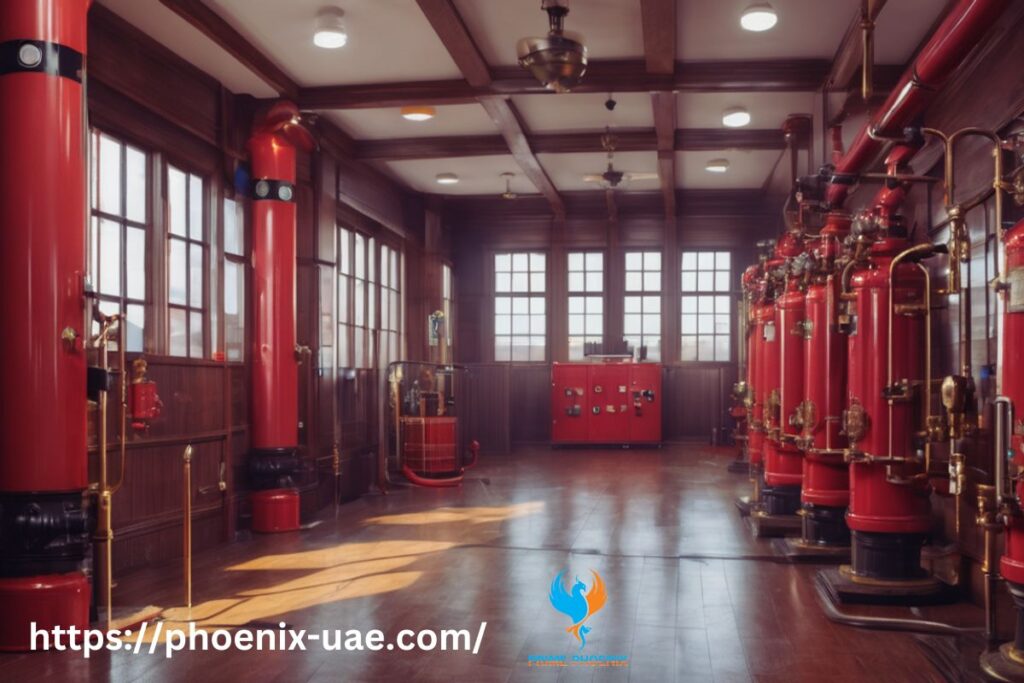
- Two-hour fire-rated walls, ceilings, and doors
- Adequate working clearances around equipment
- Easy access for maintenance personnel
- Proper ventilation
- Drainage systems
- Sufficient lighting
- Temperature control where required
- Emergency access routes
- Protection against flooding
- Secure equipment identification and signage
The room should also accommodate future maintenance activities without requiring major equipment removal.
Why Is Fire Pump Sizing So Important?
Selecting the correct pump size is one of the most critical engineering decisions during system design.
Undersized pumps may fail to supply sufficient pressure during a fire emergency, while oversized pumps can create excessive pressure, increase energy consumption, and add unnecessary installation costs.
Engineers determine the correct pump size by evaluating:
- Required flow rate
- System pressure demand
- Building height
- Hydraulic calculations
- Friction losses
- Water supply characteristics
- Occupancy classification
- Fire hazard level
- Sprinkler system demand
- Standpipe requirements
Pump performance curves are then used to verify that the selected pump will meet design requirements under all operating conditions.
Which Fire Safety Standards Govern Fire Pump Installation?
Compliance with recognized standards is essential for system approval, insurance acceptance, and operational reliability.
Important standards and regulations include:
- NFPA 20 – Installation of Stationary Pumps for Fire Protection
- NFPA 25 – Inspection, Testing, and Maintenance of Water-Based Fire Protection Systems
- Local building codes
- Fire authority regulations
- Electrical safety standards
- Manufacturer installation instructions
Projects should always be reviewed by qualified fire protection engineers and approved by the Authority Having Jurisdiction before commissioning.
How Is a Fire Pump Tested and Commissioned?
Testing and commissioning verify that the entire fire pump system performs as designed before the building becomes operational.
Typical commissioning activities include:
- Visual inspection of equipment
- Verification of piping installation
- Electrical testing
- Controller programming
- Automatic start testing
- Manual start testing
- Churn pressure testing
- Flow acceptance testing
- Pressure recording
- Alarm verification
- Emergency power testing
- Diesel engine performance testing
- Leak inspection
- Documentation of all test results
Successful commissioning confirms that the system can deliver the required flow and pressure during an emergency.
What Are the Most Common Fire Pump Installation Mistakes?
Even high-quality equipment can underperform if installation errors are overlooked.
Common mistakes include:
- Incorrect hydraulic calculations
- Poor pump sizing
- Improper suction piping configuration
- Inadequate NPSH
- Pump and motor misalignment
- Weak concrete foundations
- Unsupported piping
- Insufficient room ventilation
- Improper electrical wiring
- Inadequate drainage
- Failure to perform acceptance testing
- Ignoring manufacturer installation instructions
- Poor documentation
- Delayed preventive maintenance planning
Avoiding these issues helps improve system reliability, reduce long-term maintenance costs, and ensure compliance with fire safety regulations.
By following recognized engineering practices and completing thorough installation, testing, and commissioning, building owners can significantly enhance the reliability of their fire protection systems and ensure that their fire pump performs exactly as intended when lives and property depend on it.
How Should a Fire Pump Be Maintained for Long-Term Reliability?
Installing a fire pump is only the beginning. To ensure the system performs when a fire emergency occurs, regular inspection, testing, and preventive maintenance are essential. A neglected fire pump can fail during an emergency, putting lives, property, and business operations at significant risk.
A comprehensive maintenance program should follow NFPA 25, manufacturer recommendations, and local fire authority requirements.
Recommended Fire Pump Maintenance Activities
A proactive maintenance schedule should include:
- Weekly visual inspections
- Weekly automatic start tests
- Monthly diesel engine exercise under load
- Inspection of suction and discharge pressure gauges
- Battery inspection and charging verification
- Fuel level and fuel quality inspection for diesel pumps
- Lubrication of bearings and rotating components
- Inspection of mechanical seals and packing glands
- Oil and filter replacement for diesel engines
- Cooling system inspection
- Electrical wiring and controller inspection
- Verification of alarm signals and monitoring systems
- Annual flow testing
- Pressure relief valve testing
- Calibration of gauges and measuring instruments
Keeping detailed maintenance records also helps demonstrate regulatory compliance and simplifies future inspections.
Why Is Fire Pump Inspection and Testing So Important?
Routine testing confirms that every component operates correctly before an emergency occurs.
A complete inspection program helps identify:
- Low system pressure
- Water leaks
- Pump vibration
- Bearing wear
- Fuel contamination
- Battery deterioration
- Controller faults
- Valve failures
- Corrosion
- Electrical problems
Detecting these issues early minimizes unexpected failures and reduces costly emergency repairs.
Professional flow testing should verify:
- Rated flow capacity
- Rated pressure
- Churn pressure
- Pump efficiency
- Controller response
- Automatic start operation
- Emergency power performance
These results should be compared with the original acceptance test to confirm that the fire pump continues to perform within its design specifications.
What Factors Affect Fire Pump Installation Costs?
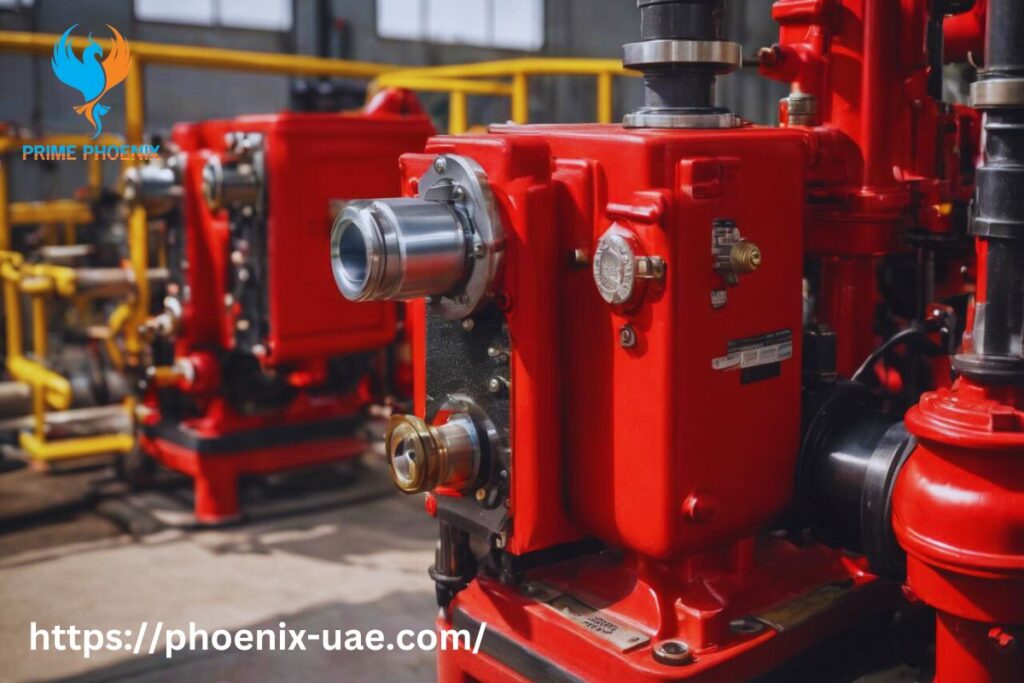
Fire pump installation costs vary depending on project complexity, building requirements, and equipment selection. Rather than focusing only on the purchase price, building owners should evaluate the total lifecycle cost of the system.
Major cost factors include:
Fire Pump Capacity
Higher flow rates and pressure requirements generally require larger pumps, more powerful drivers, and larger pipework.
Pump Type
Costs differ depending on whether the project uses:
- Electric fire pumps
- Diesel fire pumps
- Split case pumps
- Vertical turbine pumps
- End suction pumps
Each option has different installation, operating, and maintenance requirements.
Water Supply Configuration
The available water source significantly influences installation complexity.
Possible water sources include:
- Municipal water supply
- Underground fire water tanks
- Above-ground storage tanks
- Reservoirs
- Wells
Additional civil and mechanical work may be required depending on the selected water source.
Fire Pump Room Construction
Purpose-built fire pump rooms may require:
- Reinforced concrete foundations
- Fire-rated walls and doors
- Ventilation systems
- Drainage systems
- Lighting
- Heating or cooling
- Acoustic treatment
- Fuel storage areas for diesel pumps
Electrical and Mechanical Installation
Costs also include:
- Power supply installation
- Fire pump controllers
- Emergency generators
- Pipework
- Valves
- Pressure gauges
- Flow meters
- Test headers
- Alarm integration
A qualified fire protection contractor can provide an accurate project estimate based on hydraulic calculations, building occupancy, and local code requirements.
How Do You Choose the Right Fire Pump Installation Company?
Selecting an experienced contractor is just as important as choosing the correct equipment.
Before awarding a project, consider whether the contractor:
- Has experience with commercial and industrial fire protection systems
- Employs qualified fire protection engineers
- Understands NFPA standards and local regulations
- Provides hydraulic calculations
- Supplies UL Listed and FM Approved equipment where required
- Performs testing and commissioning
- Offers preventive maintenance services
- Provides emergency support
- Has completed similar projects
- Maintains proper licensing and insurance
An experienced contractor can help reduce installation risks while ensuring long-term system reliability and regulatory compliance.
What is the purpose of a fire pump?
A fire pump increases water pressure and flow so that fire sprinkler systems, hydrants, and standpipes receive sufficient water during a fire emergency.
When is a fire pump required?
A fire pump is typically required when the available water supply cannot meet the pressure or flow demands of the building’s fire protection system.
What is the difference between an electric and a diesel fire pump?
Electric fire pumps are quieter, energy-efficient, and require less maintenance, while diesel fire pumps continue operating during power outages and provide greater emergency reliability where backup power is unavailable.
How long does a fire pump installation take?
The installation timeline depends on project size, equipment availability, civil works, testing requirements, and authority approvals. Complex commercial projects generally require significantly more time than smaller installations.
What is a jockey pump?
A jockey pump is a small pressure-maintenance pump that keeps the fire protection system pressurized during normal operation, reducing unnecessary starts of the main fire pump.
What standards apply to fire pump installation?
Most installations follow NFPA 20 for installation requirements and NFPA 25 for inspection, testing, and maintenance, together with local fire authority regulations.
How often should a fire pump be tested?
Weekly inspections, monthly operational testing, and annual flow testing are commonly recommended, although local regulations and manufacturer guidance should always be followed.
What is churn pressure?
Churn pressure is the maximum pressure produced by a fire pump while operating with little or no water flow. It is measured during acceptance testing to verify pump performance.
What are the most common causes of fire pump failure?
Common causes include poor maintenance, incorrect installation, inadequate water supply, electrical failures, fuel system problems, cavitation, controller faults, and mechanical wear.
Why should installation be performed by specialists?
Fire pumps are life-safety equipment. Professional installation helps ensure compliance with applicable standards, reliable system performance, and successful authority approval.
Why Is Professional Fire Pump Installation Essential for Fire Protection?
A fire pump is one of the most critical components of any fire protection system. It provides the water pressure needed to operate fire sprinklers, hydrants, standpipes, and other suppression systems effectively when an emergency occurs.
From hydraulic design and pump selection to installation, testing, commissioning, and ongoing maintenance, every stage must be completed with precision and in accordance with recognized fire safety standards.
By following NFPA 20, NFPA 25, manufacturer recommendations, and local regulatory requirements, building owners can improve system reliability, protect valuable assets, and enhance occupant safety. Investing in professional design, quality equipment, and preventive maintenance not only supports compliance but also helps ensure that the fire pump performs exactly as intended when every second counts.