Dubai is home to some of the world’s tallest buildings, busiest commercial centers, luxury hotels, industrial facilities, healthcare institutions, and residential communities. As the city continues to expand, fire safety has become one of the most critical aspects of protecting lives, assets, and business operations. Every building, whether residential or commercial, must have reliable fire protection systems that comply with local regulations and industry standards.
Choosing one of the best fire fighting companies in Dubai is not simply about purchasing fire extinguishers or installing alarms. It involves partnering with experienced professionals who can design, install, inspect, test, maintain, and upgrade complete fire protection systems while ensuring compliance with Dubai Civil Defence requirements and international fire safety standards.
This guide explains everything you need to know about fire fighting companies in Dubai, including the services they provide, different fire protection systems, industry regulations, maintenance requirements, and how to choose the right provider for your project.
What Is a Fire Fighting Company?
A fire fighting company specializes in providing comprehensive fire protection solutions that help prevent, detect, control, and suppress fires. These companies work with residential, commercial, industrial, hospitality, healthcare, educational, and government facilities to reduce fire risks and ensure legal compliance.
Professional fire protection companies typically offer services such as:
- Fire protection system design
- Fire alarm installation
- Fire hydrant system installation
- Automatic sprinkler systems
- Fire suppression systems
- Fire pump installation
- Fire risk assessments
- Fire safety audits
- Annual Maintenance Contracts (AMC)
- Fire safety inspections
- Fire equipment testing and commissioning
- Emergency lighting systems
- Fire extinguisher installation and servicing
- Fire safety consultancy
- Employee fire safety training
Rather than focusing on a single product, experienced companies provide integrated fire and life safety solutions that protect people, buildings, and business continuity.
Why Is Fire Safety So Important in Dubai?
Dubai’s skyline consists of high-rise towers, shopping malls, hotels, warehouses, manufacturing facilities, hospitals, schools, airports, and mixed-use developments. These complex buildings require advanced fire protection systems that can detect hazards quickly and minimize damage during emergencies.
Fire safety is important because it helps:
- Protect human life
- Reduce property damage
- Prevent business interruption
- Ensure legal compliance
- Support emergency evacuation
- Minimize insurance risks
- Protect valuable equipment
- Reduce operational downtime
Without properly maintained fire protection systems, even a small electrical fault can develop into a major emergency that threatens occupants and causes significant financial losses.
This is why businesses invest in professionally designed fire protection systems rather than relying solely on portable fire extinguishers.
What Services Do the Best Fire Fighting Companies in Dubai Offer?
Leading fire fighting companies provide complete end-to-end fire protection services instead of focusing on only one area. Their expertise covers the entire lifecycle of a fire safety system—from planning and design to installation, maintenance, testing, and ongoing compliance.
Typical services include:
Fire Protection System Design
Every building has unique fire risks based on its size, occupancy, layout, and purpose. Fire engineers evaluate these factors to design systems that provide effective protection while complying with local regulations and applicable standards.
A well-designed system integrates detection, alarm, suppression, emergency lighting, and evacuation measures into a single coordinated solution.
Fire Alarm System Installation
Fire alarm systems are often the first line of defense during a fire emergency. They detect smoke, heat, or flames and immediately alert occupants so evacuation can begin quickly.
Modern fire alarm systems may include:
- Smoke detectors
- Heat detectors
- Beam detectors
- Manual call points
- Sounders
- Visual alarms
- Control panels
- Voice evacuation systems
- Remote monitoring
Early detection significantly reduces the risk of injuries and extensive property damage.
Fire Hydrant System Installation
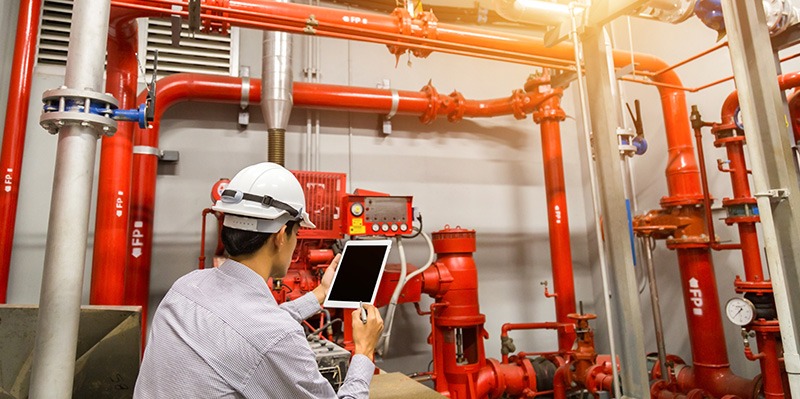
Fire hydrant systems provide firefighters with an adequate water supply during emergencies. These systems include hydrants, pipelines, valves, hose reels, landing valves, pumps, and water storage tanks.
Fire hydrant systems are essential for:
- High-rise buildings
- Warehouses
- Shopping malls
- Industrial facilities
- Hospitals
- Educational institutions
- Large commercial complexes
Routine inspections and maintenance ensure that hydrant systems remain operational whenever they are needed.
Automatic Fire Sprinkler Systems
Automatic sprinkler systems activate when heat reaches a predetermined temperature. Rather than flooding an entire building, only the sprinkler heads closest to the fire operate, helping contain the fire while reducing unnecessary water damage.
Sprinkler systems are widely used in:
- Office buildings
- Hotels
- Apartments
- Warehouses
- Data centers
- Manufacturing facilities
- Retail stores
When integrated with fire alarm systems, sprinklers provide an additional layer of protection that supports faster emergency response.
What Fire Suppression Systems Are Available for Different Applications?
Not every fire can be extinguished using water. Certain environments require specialized suppression systems designed for electrical equipment, sensitive electronics, flammable liquids, commercial kitchens, or industrial hazards.
Professional fire fighting companies recommend suppression systems based on the specific fire risks present in each facility.
Common options include:
Clean Agent Fire Suppression Systems
Clean agent systems release gaseous extinguishing agents that suppress fire without leaving residue. They are commonly installed in:
- Server rooms
- Data centers
- Control rooms
- Communication facilities
- Archives
- Museums
Because these systems do not damage sensitive electronic equipment, they are ideal for protecting mission-critical environments.
Kitchen Fire Suppression Systems
Commercial kitchens contain cooking oils, open flames, and high-temperature appliances that present unique fire hazards.
Kitchen suppression systems automatically detect fires above cooking equipment and discharge specialized extinguishing agents that suppress grease fires while helping prevent re-ignition.
These systems are widely used in:
- Hotels
- Restaurants
- Cafeterias
- Cloud kitchens
- Food courts
Foam Fire Suppression Systems
Foam systems are designed for environments where flammable liquids pose significant risks.
Typical applications include:
- Fuel storage facilities
- Chemical plants
- Oil and gas facilities
- Aircraft hangars
- Industrial warehouses
The foam forms a blanket over the fuel surface, reducing oxygen and helping prevent the fire from spreading.
CO₂ Fire Suppression Systems
Carbon dioxide suppression systems extinguish fires by reducing oxygen levels around the fire source. These systems are commonly used in industrial settings and electrical equipment rooms where water-based suppression is not suitable.
Selecting the right suppression technology depends on the building type, occupancy, equipment, and level of fire risk. A professional fire risk assessment helps determine the most appropriate solution while ensuring compliance with applicable fire safety regulations.
Why Is Fire Annual Maintenance Contract (AMC) Essential for Fire Protection Systems?
Installing a fire protection system is only the beginning. Like any critical building infrastructure, fire safety systems require regular inspection, testing, servicing, and preventive maintenance to ensure they function properly during an emergency. This is where a Fire Annual Maintenance Contract (AMC) becomes essential.
A Fire AMC is a scheduled maintenance agreement between a property owner and a qualified fire protection company. It helps ensure that all fire safety equipment remains operational, compliant with regulations, and ready to respond whenever required.
Routine maintenance typically includes:
- Fire alarm testing
- Smoke detector inspection
- Heat detector calibration
- Fire extinguisher servicing
- Fire hydrant inspection
- Hose reel testing
- Fire pump performance testing
- Sprinkler system inspection
- Emergency lighting testing
- Exit sign inspection
- Control panel diagnostics
- Battery backup verification
- System performance reports
Preventive maintenance reduces equipment failures, minimizes unexpected repair costs, extends the lifespan of fire protection systems, and helps organizations meet regulatory requirements.
What Happens During a Fire Safety Audit?
A fire safety audit is a comprehensive evaluation of a building’s fire protection measures. It identifies potential hazards, assesses existing safety systems, and recommends improvements to reduce fire risks.
Professional fire safety audits generally include:
Building Risk Assessment
Fire safety specialists evaluate:
- Building occupancy
- Fire hazards
- Electrical systems
- Storage areas
- Escape routes
- Emergency exits
- Fire compartmentation
- High-risk operations
This assessment helps identify vulnerabilities before they become serious safety concerns.
Equipment Inspection
Every major fire protection component is inspected, including:
- Fire alarm systems
- Fire extinguishers
- Fire pumps
- Hydrant systems
- Sprinklers
- Smoke detectors
- Emergency lighting
- Exit signage
- Suppression systems
Any deficiencies are documented, and corrective actions are recommended.
Documentation Review
Auditors also review:
- Maintenance records
- Inspection reports
- Equipment certifications
- Testing schedules
- Compliance documentation
- Emergency response procedures
Proper documentation demonstrates that fire safety systems have been maintained according to applicable requirements.
How Do Fire System Testing and Commissioning Improve Safety?
Before a fire protection system becomes operational, it must undergo testing and commissioning. These procedures verify that every component functions correctly and performs as intended under different operating conditions.
Testing and commissioning commonly involve:
- Alarm activation tests
- Detector sensitivity checks
- Sprinkler flow tests
- Fire pump performance testing
- Hydrant pressure testing
- Emergency lighting operation
- Battery backup verification
- Communication system testing
- Integration testing between fire alarms and suppression systems
Commissioning ensures that individual systems work together as one integrated fire protection solution rather than operating independently.
What Are Active and Passive Fire Protection Systems?
An effective fire protection strategy combines both active and passive fire protection systems.
What Is Active Fire Protection?
Active fire protection includes systems that detect, control, or extinguish fires automatically or manually.
Examples include:
- Fire alarm systems
- Automatic sprinklers
- Fire extinguishers
- Fire hydrants
- Fire pumps
- Hose reels
- Smoke detection systems
- Clean agent suppression systems
- Foam suppression systems
- Kitchen suppression systems
These systems require activation either automatically or by trained personnel.
What Is Passive Fire Protection?
Passive fire protection helps contain fires and slows their spread without requiring activation.
Examples include:
- Fire-rated doors
- Fire-resistant walls
- Fire stopping materials
- Fire dampers
- Fireproof coatings
- Compartmentation systems
- Fire-resistant ceilings
- Protected escape routes
Passive protection provides occupants with valuable time to evacuate safely while reducing structural damage.
The combination of active and passive fire protection creates multiple layers of defense that improve overall building safety.
Which Industries Need Professional Fire Fighting Services?
Almost every industry requires customized fire protection solutions because fire risks vary significantly depending on operations, equipment, occupancy, and materials handled.
Commercial Buildings
Office buildings require integrated fire alarm systems, emergency lighting, sprinkler systems, evacuation planning, and routine maintenance to protect employees and visitors.
Residential Communities
Apartments, villas, and residential towers rely on smoke detection systems, hydrants, emergency exits, fire extinguishers, and sprinkler systems to protect residents.
Hotels and Hospitality
Hotels require advanced fire detection, kitchen suppression systems, emergency communication systems, and evacuation procedures to ensure guest safety around the clock.
Healthcare Facilities
Hospitals and clinics contain vulnerable occupants and sensitive medical equipment. Fire protection systems must operate continuously while minimizing disruption to critical healthcare services.
Educational Institutions
Schools, universities, and training centers require reliable fire alarms, emergency exits, fire extinguishers, evacuation plans, and regular fire drills to protect students and staff.
Warehouses and Logistics Centers
Warehouses often store combustible materials and high-value inventory. Fire hydrants, sprinkler systems, smoke detection, and foam suppression systems help reduce potential losses.
Manufacturing and Industrial Facilities
Factories frequently contain machinery, chemicals, combustible materials, and electrical equipment. Customized suppression systems, hydrants, fire pumps, and risk assessments are essential for maintaining operational safety.
What Fire Safety Regulations Should Building Owners Follow in Dubai?
Compliance is one of the most important responsibilities of property owners and facility managers. Fire protection systems should be designed, installed, inspected, and maintained according to applicable regulations and recognized industry standards.
Key areas of compliance include:
- Approved fire protection system designs
- Routine inspections and preventive maintenance
- Periodic testing of alarms and suppression systems
- Fire risk assessments
- Emergency evacuation planning
- Employee fire safety training
- Proper maintenance records
- Certification of installed systems
- Timely replacement of defective equipment
Working with an experienced fire protection company helps ensure that safety systems remain compliant throughout their operational life.
How Can You Choose the Best Fire Fighting Company in Dubai?
Selecting a fire protection company should involve more than comparing prices. The right provider should offer technical expertise, reliable support, and long-term maintenance capabilities.
Consider the following factors before making a decision:
Industry Experience
Choose a company with experience across residential, commercial, industrial, hospitality, healthcare, and government projects. Diverse project experience often reflects stronger technical capabilities.
Qualified Engineers and Technicians
Look for trained professionals who understand system design, installation, testing, maintenance, troubleshooting, and regulatory compliance.
Comprehensive Services
A single provider that offers design, installation, inspection, maintenance, testing, commissioning, audits, and training can simplify long-term fire safety management.
High-Quality Equipment
Reliable fire protection depends on durable, properly certified equipment that performs consistently under emergency conditions.
Responsive Maintenance Support
Regular inspections, preventive maintenance, and emergency service reduce downtime and help ensure that systems remain fully operational throughout the year.
Customized Fire Protection Solutions
Every building presents unique risks. The best fire fighting companies evaluate your facility and recommend solutions tailored to your operational requirements rather than offering one-size-fits-all packages.
What Are the Benefits of Hiring a Professional Fire Fighting Company?
Investing in professional fire protection services offers far more than regulatory compliance. It helps safeguard people, property, business operations, and long-term investments.
Some of the key benefits include:
Improved Life Safety
Properly designed fire protection systems detect fires early, activate alarms, support safe evacuation, and help emergency responders control incidents before they escalate.
Regulatory Compliance
Professional fire fighting companies understand local fire safety regulations and industry best practices. They help ensure that fire protection systems are installed, inspected, tested, and maintained according to applicable requirements, reducing the risk of non-compliance.
Reduced Property Damage
Automatic fire alarms, sprinkler systems, fire hydrants, and suppression systems work together to contain fires quickly, helping minimize damage to buildings, equipment, inventory, and business assets.
Lower Business Risk
Unexpected fire incidents can interrupt operations, damage reputations, and result in significant financial losses. Preventive maintenance, routine inspections, and fire risk assessments help reduce these risks.
Long-Term Cost Savings
Regular inspections and preventive maintenance identify potential issues before they become major failures. This approach extends the service life of fire protection equipment while reducing costly emergency repairs and system downtime.
How Do Different Fire Protection Systems Compare?
Each fire protection system serves a specific purpose. Selecting the right solution depends on the building type, fire hazards, occupancy, and operational requirements.
| System | Primary Purpose | Common Applications |
| Fire Alarm System | Early fire detection and occupant notification | Residential, commercial, healthcare, education |
| Automatic Sprinkler System | Automatic fire suppression | Offices, hotels, warehouses, residential towers |
| Fire Hydrant System | Water supply for firefighting operations | High-rise buildings, industrial facilities, malls |
| Fire Pump System | Maintains water pressure | Large commercial and industrial buildings |
| Fire Extinguishers | First-response fire control | All building types |
| Clean Agent Suppression | Protects sensitive equipment | Data centers, server rooms, control rooms |
| Foam Suppression System | Controls flammable liquid fires | Fuel stations, chemical plants, warehouses |
| Kitchen Suppression System | Protects commercial cooking equipment | Restaurants, hotels, food courts |
| Emergency Lighting | Supports safe evacuation | All occupied buildings |
Using multiple systems together creates a layered fire protection strategy that offers greater reliability than relying on a single solution.
What Common Mistakes Should Property Owners Avoid?
Even well-designed fire protection systems can become ineffective if they are not properly maintained or managed. Avoiding these common mistakes can significantly improve building safety.
- Delaying routine maintenance and inspections
- Ignoring warning signals from fire alarm systems
- Blocking emergency exits or escape routes
- Failing to service fire extinguishers
- Neglecting fire pump and hydrant testing
- Using uncertified or low-quality equipment
- Skipping employee fire safety training
- Not updating evacuation plans after building modifications
- Overlooking passive fire protection elements such as fire doors and compartmentation
- Choosing contractors based solely on price instead of technical expertise and service quality
Regular inspections, preventive maintenance, and employee awareness programs help reduce these risks and improve emergency preparedness.
What services do fire fighting companies provide?
Fire fighting companies offer a wide range of services, including fire protection system design, fire alarm installation, sprinkler systems, hydrant systems, fire suppression systems, inspections, testing, maintenance, fire risk assessments, safety audits, emergency lighting installation, and fire safety training.
How often should fire protection systems be inspected?
Inspection schedules vary depending on the type of equipment, building occupancy, and regulatory requirements. Routine inspections and preventive maintenance should be carried out regularly to ensure systems remain fully operational.
What is a Fire Annual Maintenance Contract (AMC)?
A Fire AMC is an ongoing maintenance agreement that includes scheduled inspections, testing, servicing, repairs, and performance verification of fire protection systems to maintain reliability and compliance.
Why is a fire risk assessment important?
A fire risk assessment identifies potential fire hazards, evaluates existing safety measures, and recommends improvements to reduce the likelihood and impact of fire incidents.
What is the difference between active and passive fire protection?
Active fire protection systems detect or suppress fires using equipment such as alarms, sprinklers, and extinguishers. Passive fire protection slows the spread of fire through fire-rated walls, doors, compartmentation, and fire-resistant construction materials.
Which buildings require fire protection systems?
Residential buildings, commercial offices, hotels, hospitals, schools, warehouses, factories, shopping malls, and mixed-use developments all require fire protection systems appropriate to their specific risks.
Why is preventive maintenance important?
Preventive maintenance helps identify equipment faults early, reduces unexpected failures, extends equipment lifespan, and ensures fire protection systems are ready to operate during emergencies.
How do fire alarm systems improve safety?
Fire alarm systems provide early warning by detecting smoke, heat, or fire. Prompt notification allows occupants to evacuate quickly and enables emergency responders to react sooner.
Can one company provide complete fire protection solutions?
Many professional fire protection companies offer integrated services, including system design, installation, testing, commissioning, maintenance, inspections, audits, and training, simplifying long-term fire safety management.
What should you consider when selecting a fire fighting company?
Look for industry experience, qualified engineers, comprehensive services, quality equipment, preventive maintenance programs, responsive customer support, and a proven ability to deliver customized fire protection solutions.
Why Is Choosing the Right Fire Fighting Company in Dubai So Important?
Fire safety is not simply about meeting legal requirements—it is about protecting lives, preserving property, and ensuring business continuity. As buildings become more sophisticated, fire protection systems must also evolve to address changing risks and operational demands.
The best fire fighting companies provide much more than equipment installation. They deliver complete fire protection solutions, including system design, engineering, installation, testing, commissioning, inspections, preventive maintenance, fire risk assessments, safety audits, emergency preparedness, and long-term technical support.
Whether you manage a residential tower, commercial office, healthcare facility, hotel, warehouse, manufacturing plant, educational institution, or retail complex, partnering with an experienced fire protection company helps ensure that your building remains prepared for emergencies while maintaining reliable, compliant, and efficient fire safety systems.
By investing in professional fire protection services and maintaining systems throughout their lifecycle, property owners can reduce fire risks, improve occupant safety, protect valuable assets, and create a safer environment for everyone.